Goo Australia
Book a call
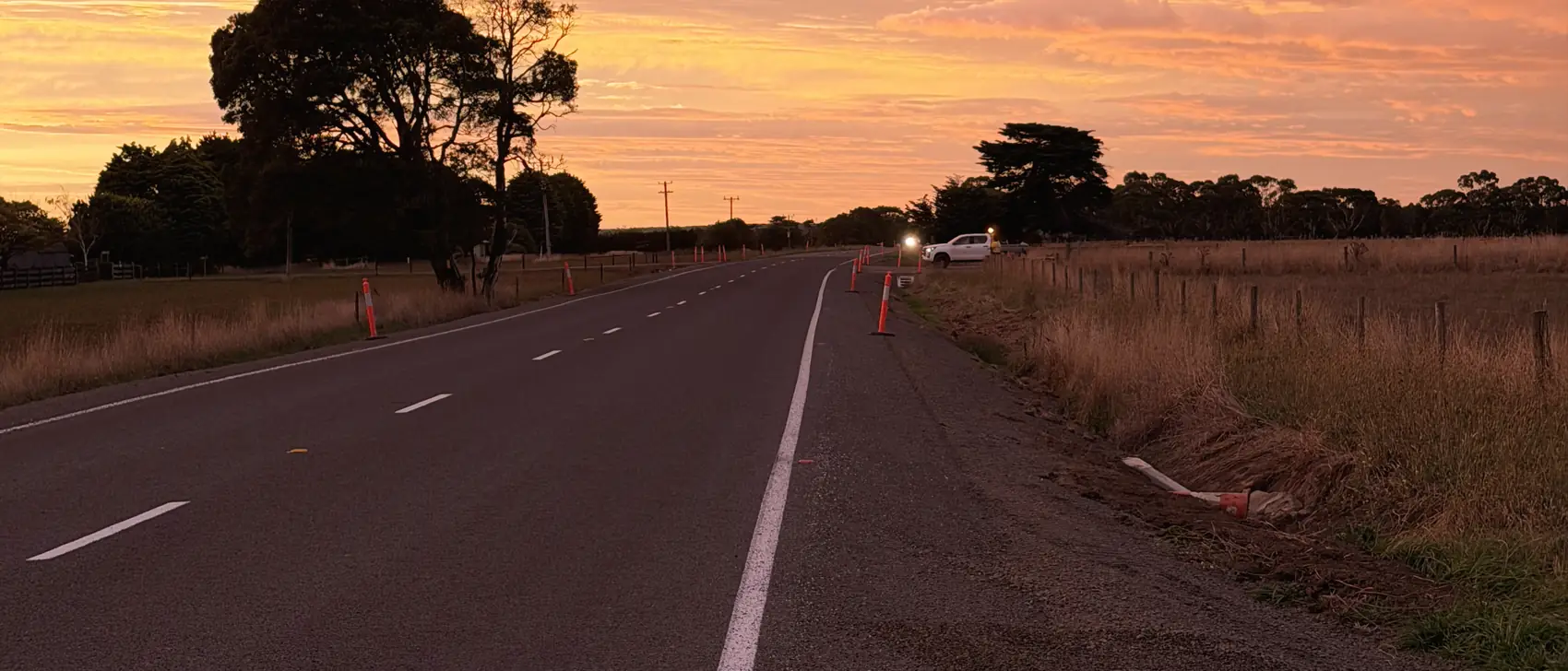
Country road at sunrise under an orange sky, a pick-up parked on the verge with its headlights on

New in 2026: visa up to 35 instead of 30

Australia. Anyone can fly out. Arriving is the work.

We get you ready from home, right through to your first day on the job over here. Three of us who’ve walked this road ourselves, helping you skip the pointless and, above all, expensive mistakes.

Book your free call

Free · about 30 minutes · you talk straight to Alessandro, Deniz or Marvin

The idea

It’s rarely
about kangaroos.

It’s about finding out what you can do when nobody over here knows you. No boss who’s had you in the same box for ten years. No mate telling you in advance what you’re supposedly like and talking you out of it. One to three years where you finally decide for yourself what happens on Monday.

  • Two-lane country road running through green hills towards a mountain, a single car on it
    Between two jobs: just drive.
  • The money really is lying in the street here. You just have to grind it off.
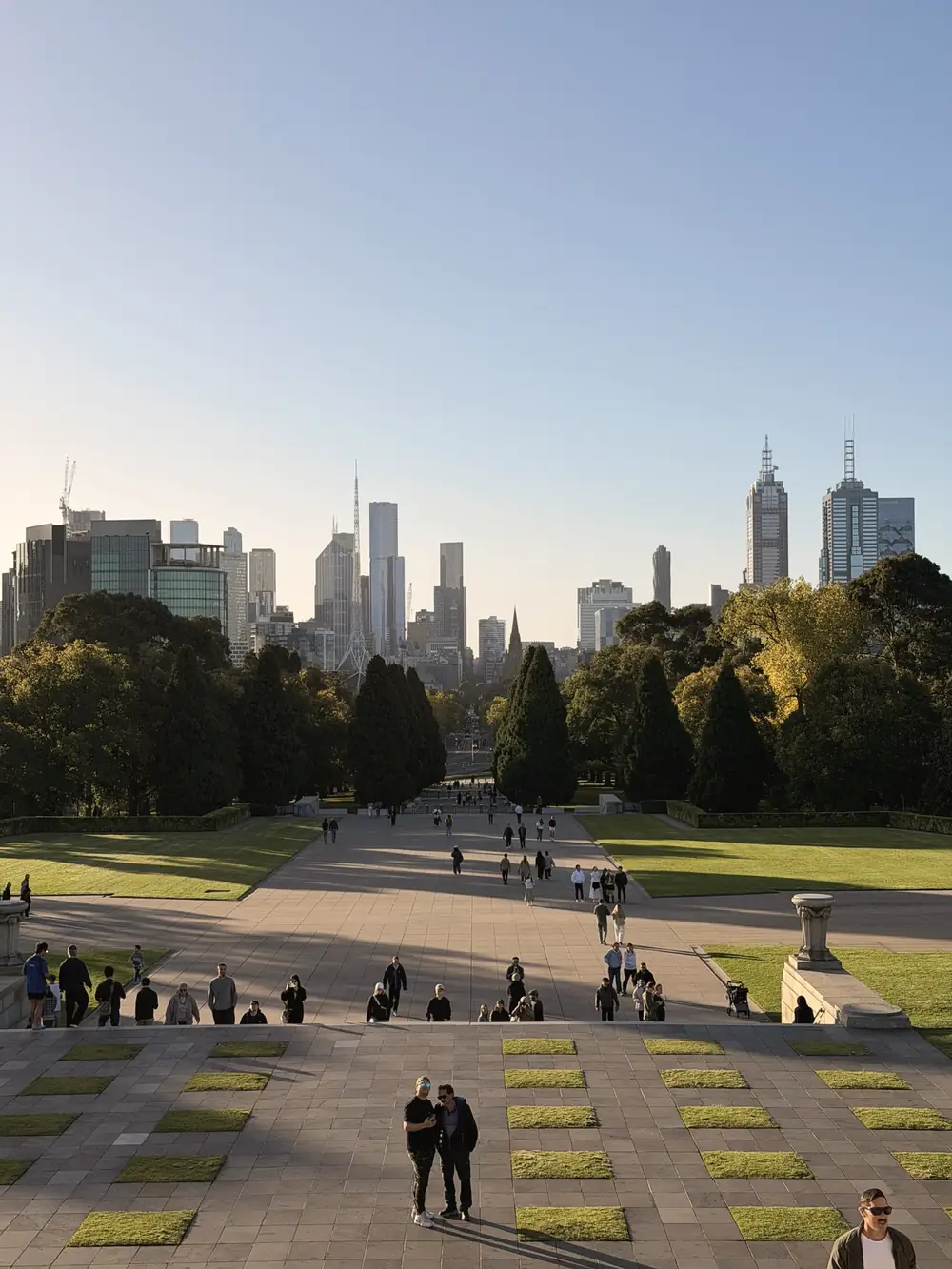
  • Melbourne skyline above a wide park, people sitting on the steps
    Sunday in the city.
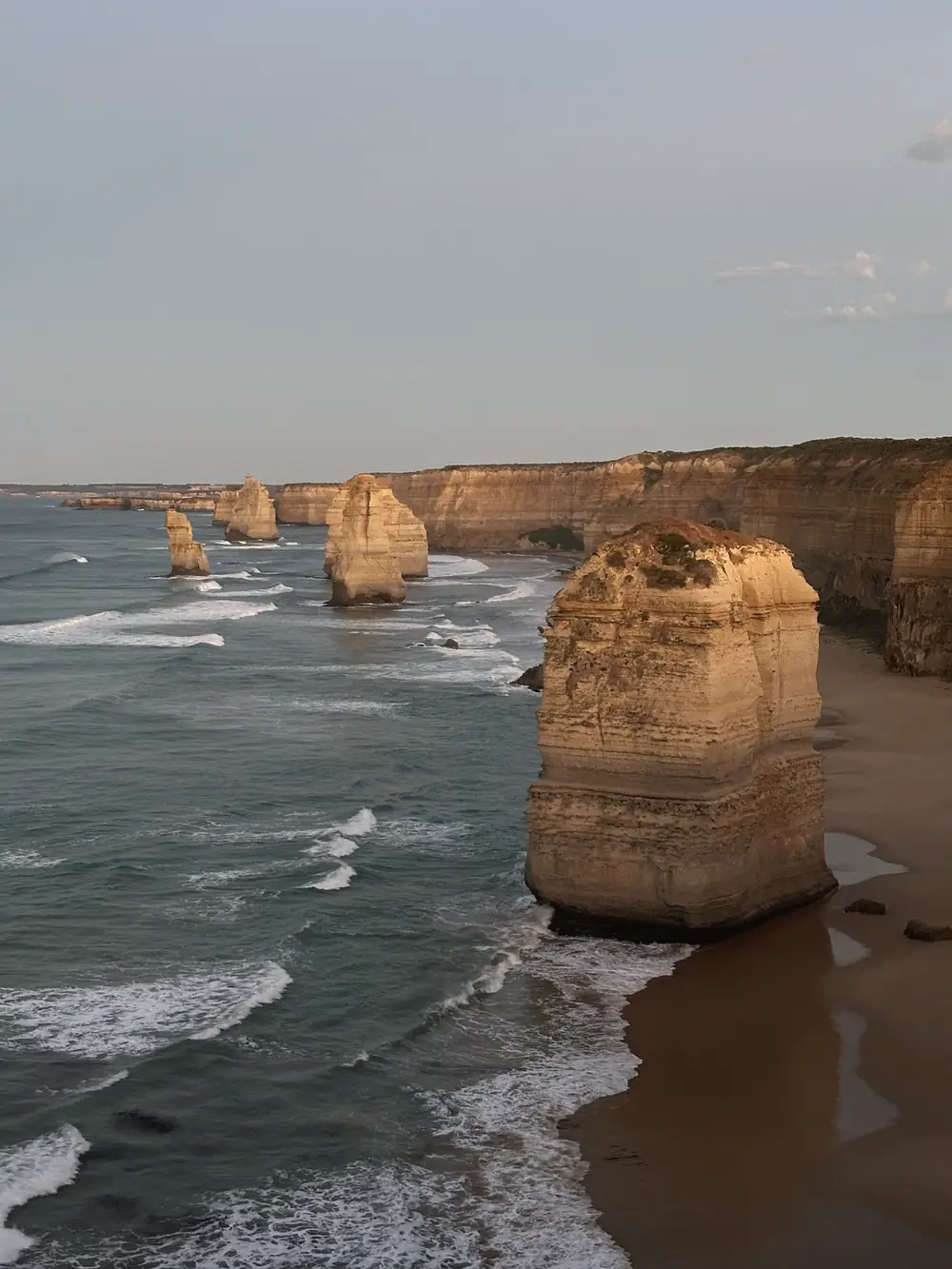
  • Limestone stacks of the Twelve Apostles on the Great Ocean Road coast
    Great Ocean Road. One day off is enough.
  • A “stormy” day.
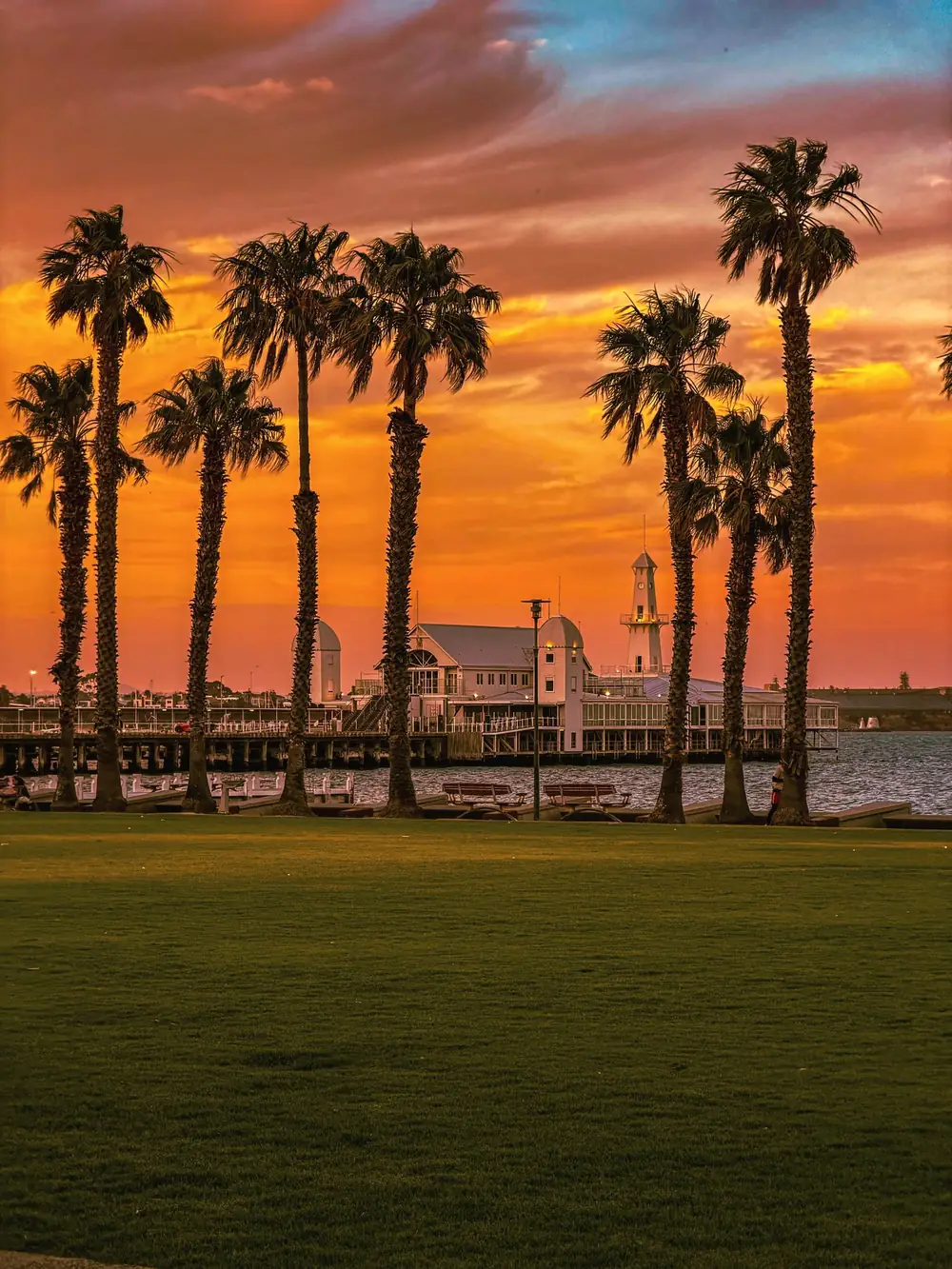
  • Row of palm trees along a waterfront against an orange evening sky
    Summer while it’s winter back home.
  • Melbourne skyline at night, old timber piles in the water
    Melbourne.
  • Chinatown lane at night, red lanterns above the street
    Friday night.
  • Milky Way above dark tree silhouettes
    This is what the sky looks like with no city nearby.
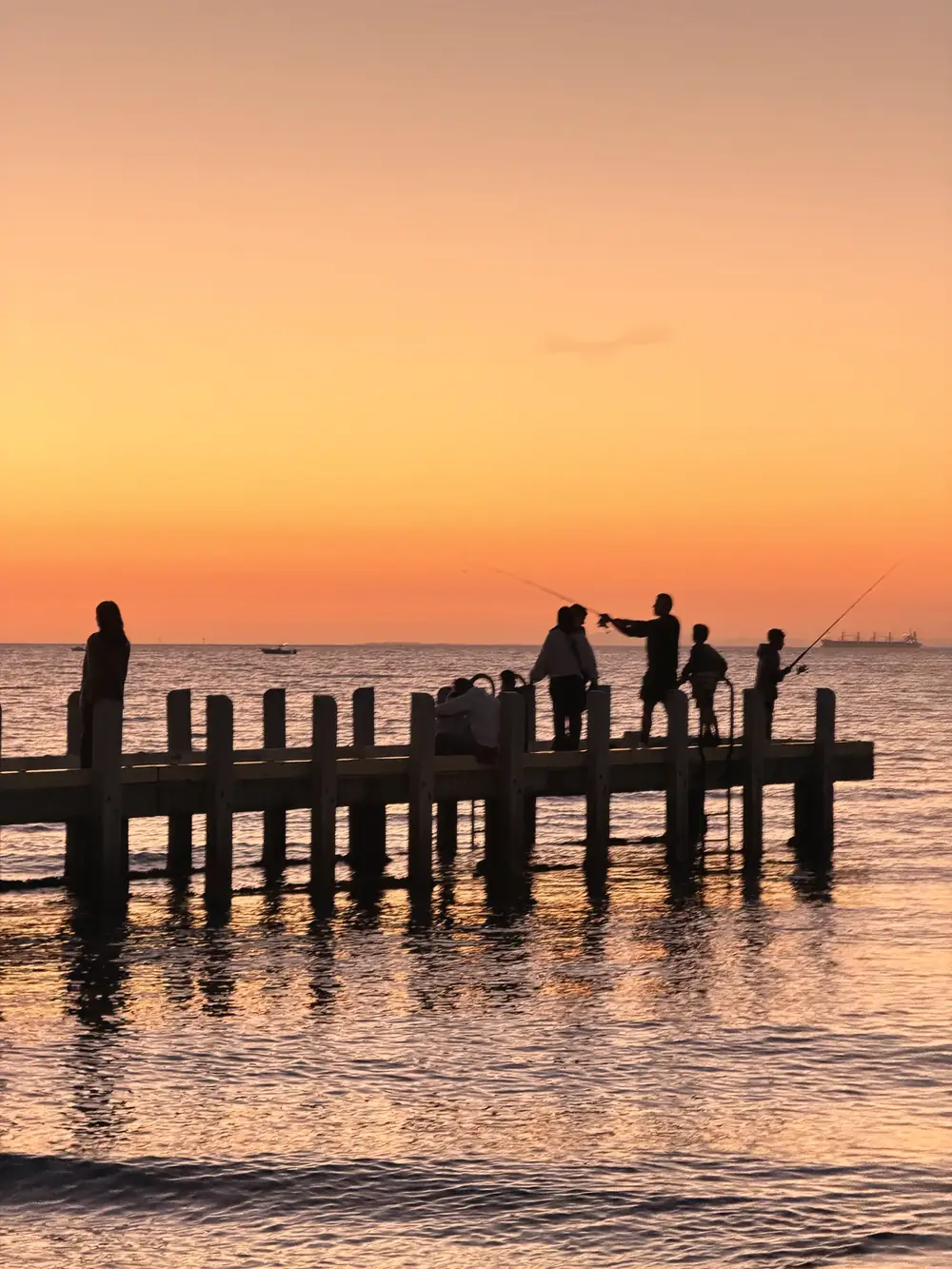
  • People silhouetted on a timber jetty at sunset
    A year where you decide what happens on Monday.
  • Kangaroo standing upright in a paddock in the evening light
    Sometimes it’s about kangaroos.

And then

So many questions.

You can google every one of these. For every one you’ll find three answers, and two of them won’t apply to you.

  • Does my trade even count over there?
  • Which tickets do I actually need?
  • Is the White Card enough, or just the start?
  • How long is the visa taking at the moment?
  • What documents do they want with the application?
  • Do I need a car?
  • Do I have to convert my licence?
  • Do I apply from home, or once I’m there?
  • Perth, Melbourne or Sydney?
  • Can you get into mining with no experience?
  • TFN or ABN?
  • How much money do I really need to bring?
  • And what if I get there and nothing works out?

You can piece all of this together yourself and pay for it in time and money.
Alessandro took two years and a few hundred euros in lessons learnt the hard way.

Nobody helped us.

Alessandro flew out in November 2024 with no plan. Deniz followed in the summer of 2026 with fourteen years on the tools behind him and was still badly prepared. Marvin tried Canada first, got knocked back more than once, and started again from scratch over here. All three of us paid for it, in money and in years. What you get from us in a few weeks cost us years.

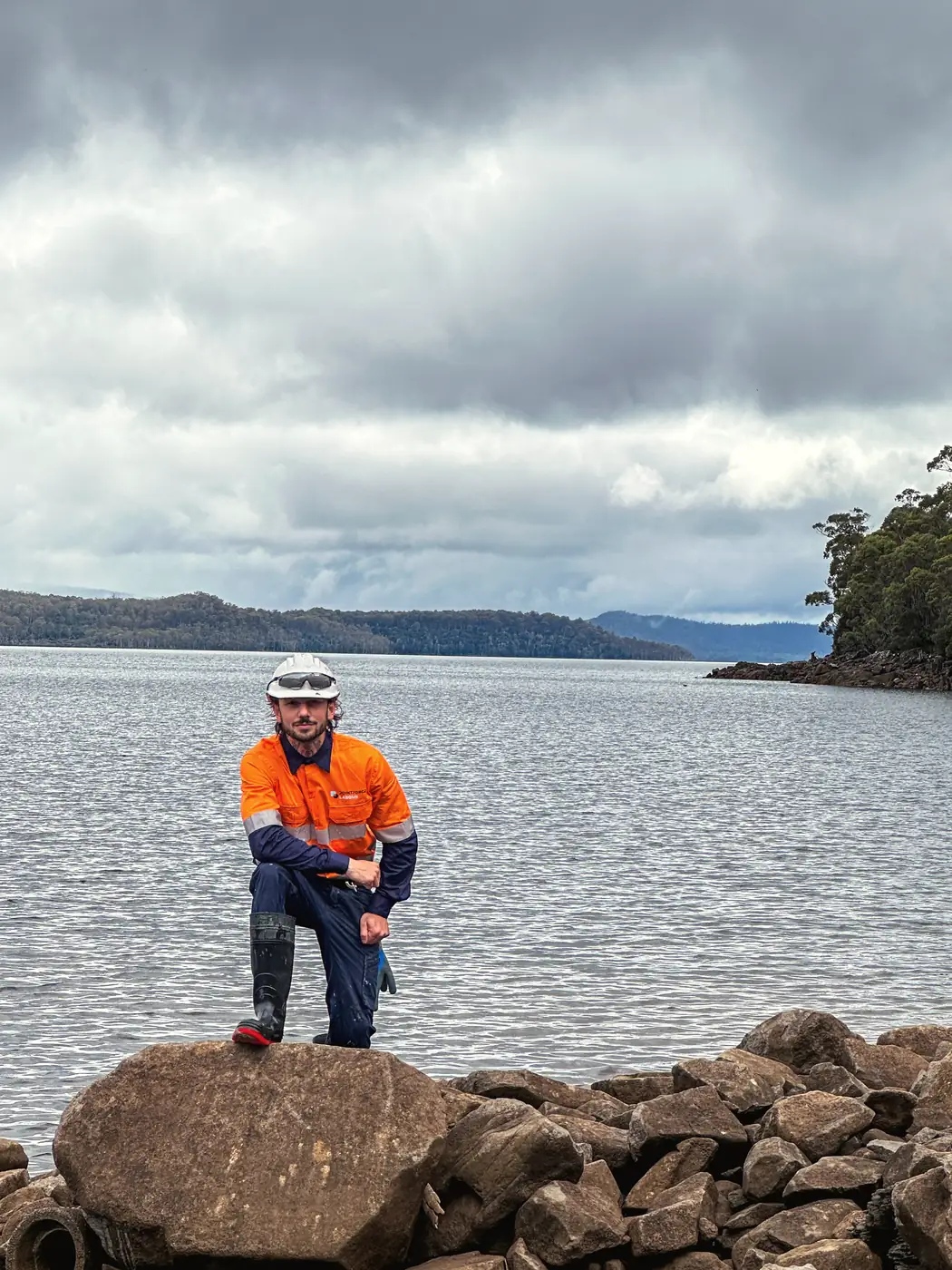
Alessandro in orange hi-vis on rocks by a lake under a dramatic sky
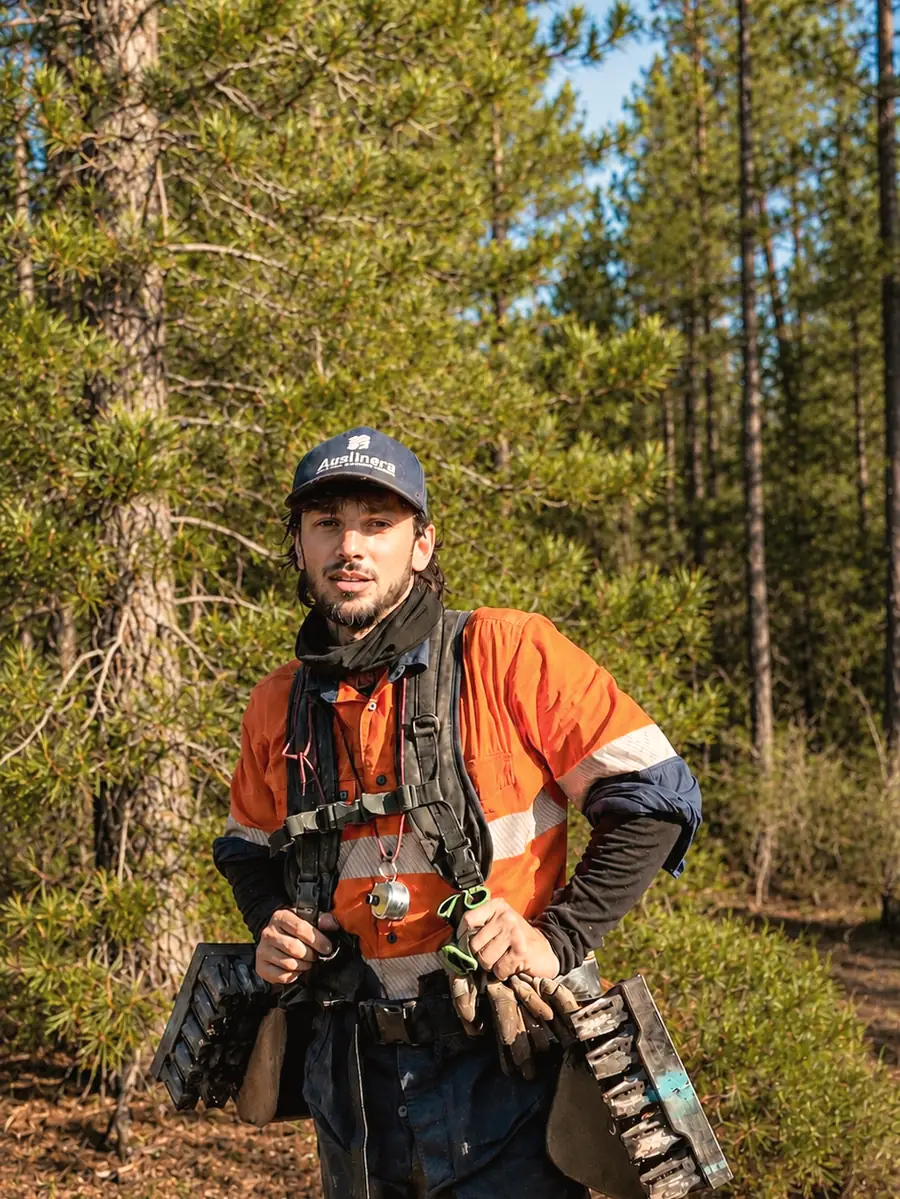
Alessandro with chainsaw gear and climbing harness in a eucalypt forest
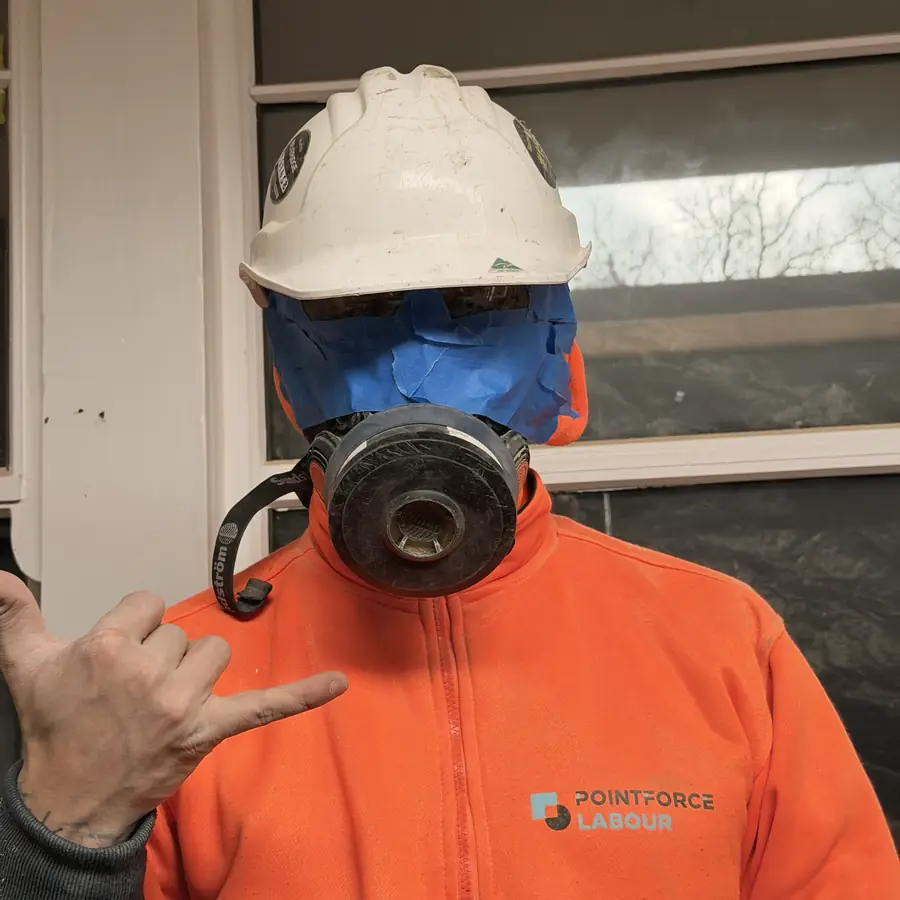
Helmet, safety glasses and respirator over work clothes

Alessandro

No grand plan.
Just go.

In November 2024 Alessandro just went. Work and Holiday visa, one backpack, no plan. Before that: a business apprenticeship at Telekom and a management qualification on top. An entirely ordinary CV, in other words.

What came of it

  • Builder’s labourer in Melbourne
  • Farmhand on an olive farm
  • Chainsaw & tree care
  • Machinery and forklift operator
  • Welding
  • Precast concrete
  • Reinforcement and steel fixing
  • Formwork & concrete pours
  • Concrete remediation on FIFO infrastructure projects
  • Built water channels, fly-in fly-out
  • Civil works & infrastructure
  • Rehabilitated a bridge
  • Built a road in Victoria
  • Planted 50,000 trees in Canberra

“It wasn’t always easy. Some jobs were brutal, some days were damn long. But that was the point. I didn’t move here to work less. I moved here to live more, and to know again what I’m working for.”

@go_alessandro
You don’t move here to work less.
You move here to live more.

Alessandro

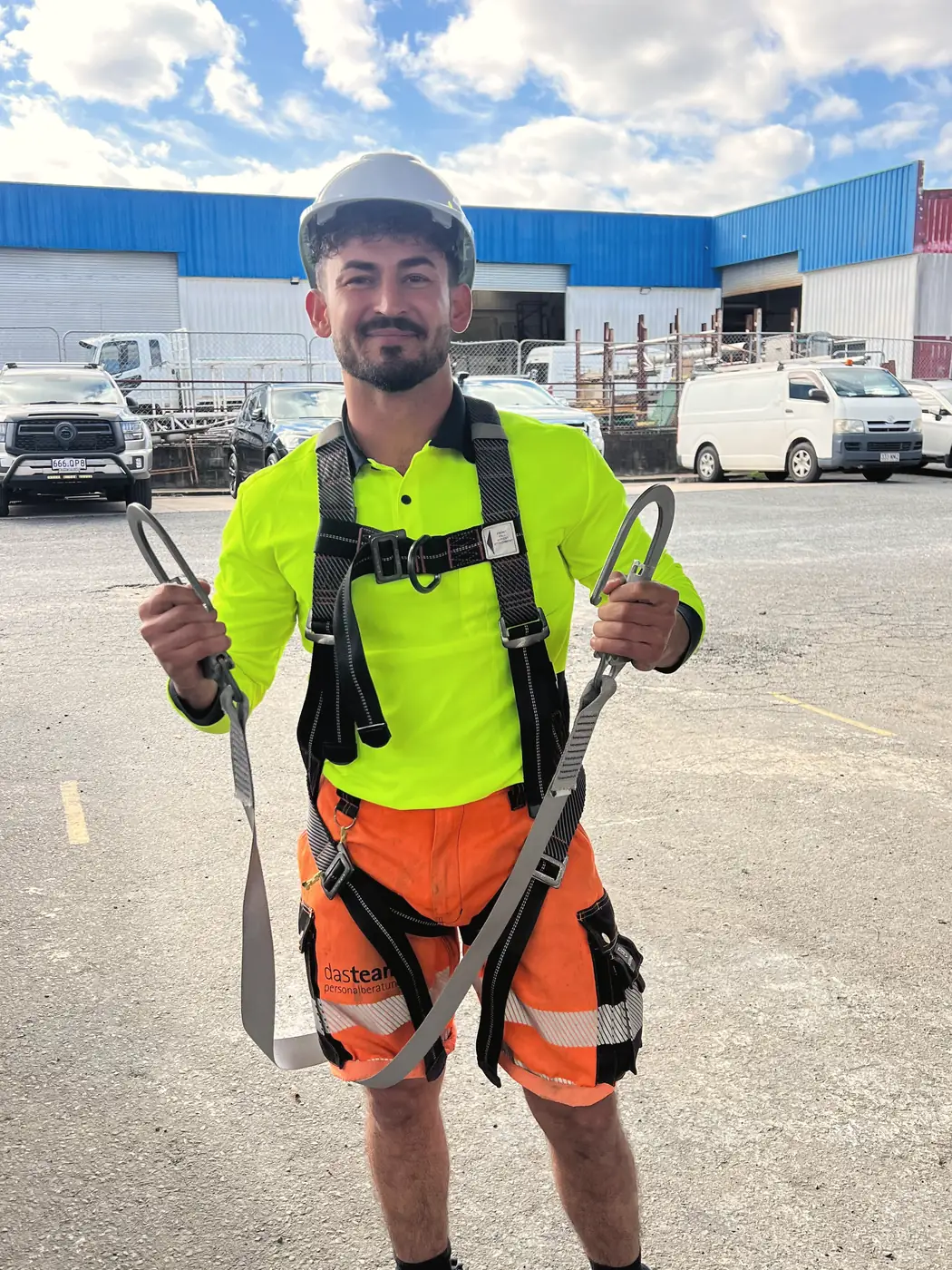
Deniz in hi-vis with a fall-arrest harness in an Australian yard
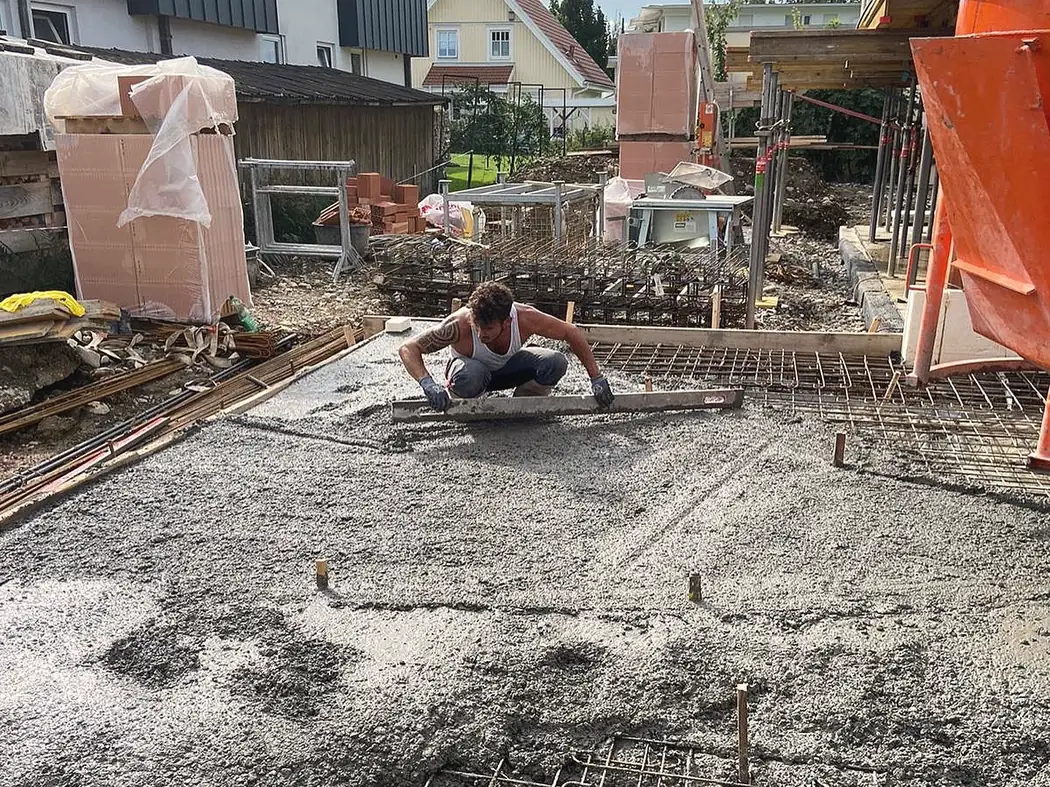
Deniz screeding a freshly poured slab on a building site
Austria, before Australia.
Deniz in a hi-vis vest, portrait

Deniz

Fourteen years on site.
Then Australia.

Bricklaying apprenticeship at 15. Then tradesman, leading hand, site foreman, trade school, crane ticket. A stint as a casino croupier in between, and his own Amazon business. Sitting still has never been his thing.

How he got here

  • Bricklaying apprenticeship
  • Qualified bricklayer
  • Leading hand
  • Site foreman
  • Construction trade school
  • Crane ticket
  • Croupier
  • Amazon seller
  • Rigger & dogman, Australia

Today, in Australia

Rigger and dogman.
Permanent with a civil construction company.

He rigs the loads to the crane, checks the gear, works out the load limits and tells the crane operator over the radio where it goes.

He had been told the starting rate was 35 to 45 dollars an hour. He signed for 60. The difference wasn’t the fourteen years on the tools. The difference was how he applied.

His first hundred applications got not a single reply. Then he did it differently, and he’s been getting offers without looking ever since. We go through exactly what he changed, once we have your CV in front of us.

@deniz.the.menace_
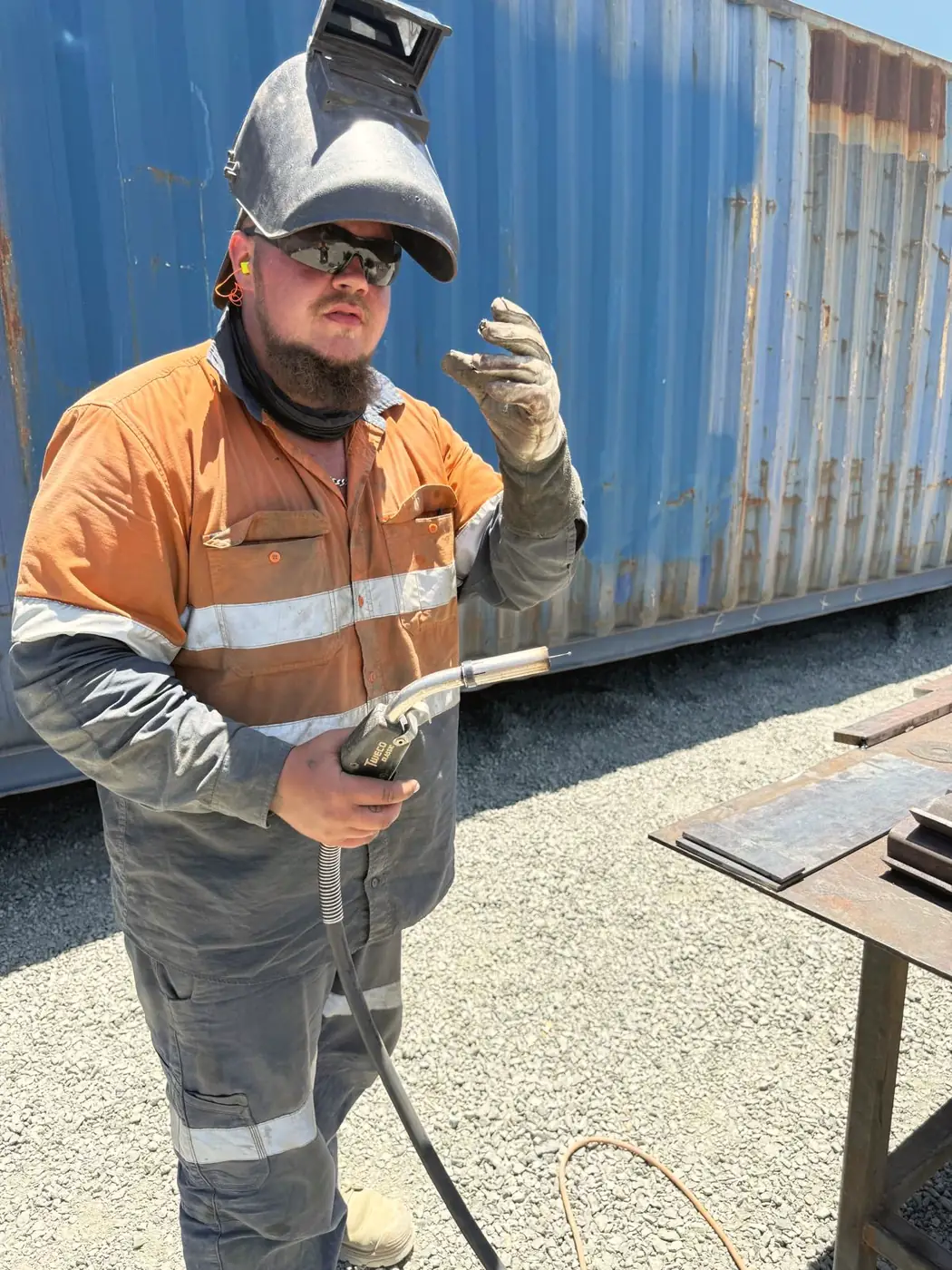
Marvin in orange hi-vis with his welding helmet flipped up in front of a container
Two weeks on, two weeks off.
Marvin in hi-vis, portrait on the mine site

Marvin

Canada first.
Then all over again.

Trained in Germany as a precision and industrial mechanic, thirty. He left home five years ago. Three and a half years in Canada, eight months through Asia, then here. He landed with no job and not a single contact.

How he got here

  • Precision mechanic
  • Industrial mechanic
  • Three and a half years in Canada
  • Eight months in Asia
  • Trade recognised in Australia
  • Picked up the Australian tickets
  • Mining & FIFO

Today, in Australia

FIFO in mining, with Chevron.
Two weeks on, two weeks off.

Up to that point he had to work it all out himself: which qualifications and tickets he actually needed, how to get his trade recognised, and what Australian recruiters really look at on a resume.

Early on he spent a lot of money on coaching and supposed shortcuts into the industry. Most of it was too general, some of it did nothing for his situation, and in the end he still had to work it out himself.

He won’t promise you a FIFO job. What he can tell you is which tickets are worth it for your trade and which you can skip, what your application should be cut back to, and where it keeps getting stuck. Exactly what he wishes someone had told him.

“I don’t want to sell you information you could find yourself given enough time. I want to save you time, money and pointless detours.”

@marvgrzybow

The difference

Over here your certificate doesn’t count.
Your ticket does.

Deniz is a qualified bricklayer and worked as a site foreman. On his first site over here, nobody cared. What counted was a handful of tickets, as they’re called here. You can get them in a few days. If you know which ones.

  • A few of them almost everyone needs. Without them you don’t get on site at all.
  • A few cost you money and do nothing for you. They get sold anyway.
  • And usually there’s one that decides whether you’re a labourer or a tradesman.

Which ones apply to you depends on what you trained in and where you want to start. They’re almost never the same for two people. Deniz never got his trade recognised and calls it one of his most expensive mistakes. Marvin paid for tickets early on that did nothing for him.

Before you pay for your first course: Book your free call

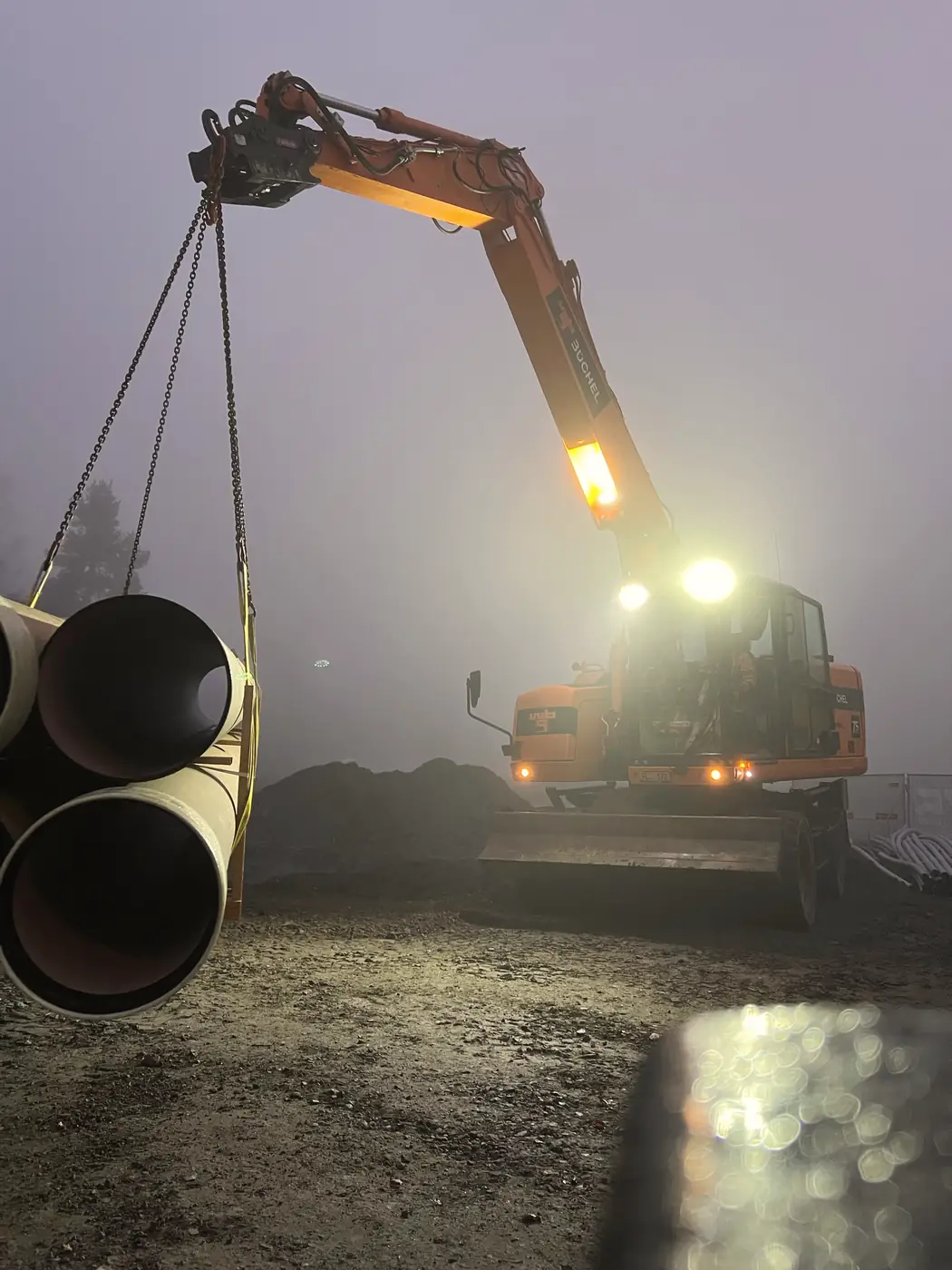
Excavator lifting two large steel pipes in the dark morning fog

How it works

From the paperwork
to your first day of work.

  1. Stage one

    The first call

    Half an hour on Google Meet. You tell us where you’re at: age, trade, what you’ve got saved, when you want to go. We look at your CV and tell you what counts over here and what doesn’t. By the end you’ll know whether your plan has legs. Costs nothing.

  2. Stage two

    The plan, still from home

    Insurance, licence, getting your trade recognised, bank account, budget. In what order, with which documents, and what you can safely skip. Two of these almost everyone gets wrong, and both cost real money later. Alessandro paid for one of them himself.

  3. Stage three

    The first weeks on the ground

    Tax file number, SIM, bank account, your Australian resume, somewhere to stay, the first applications. Most of it takes ten minutes once you know how. On one of them Deniz made a typo, and he’s still arguing with the ATO about it today.

  4. Stage four

    And after that we don’t let go

    One person who knows your case, weekly calls, and a chat where you get through straight away when something’s on fire. Changing jobs, moving, second visa: we stay on it until it runs.

Stage one costs you nothing. Book your free call

What’s included

Concrete. Not “consulting”.

Before you fly

  • A plan for the six weeks before you fly, in the order that actually works
  • Getting your trade recognised, with the paperwork you can only get while you’re still at home
  • Insurance, licence, bank account: each at the right time instead of too late
  • What to sort out at home so you don’t pay for it twice
  • Where you start, decided by the job market rather than by gut feeling

The first weeks

  • Your Australian resume, built together with us
  • Applications that actually get read, instead of a hundred into the void
  • The right tickets in the right order, without paying for courses you don’t need
  • Tax file number, SIM, bank account: the small things that add up
  • Passing on contacts where we’ve got them

After that

  • One person who knows your case
  • Weekly calls
  • A chat where you get through straight away
  • What money you’re owed and how to actually get it back
  • Changing jobs, moving, second visa: we stay on it

The honest part

What pays for all of this.

Australia isn’t cheap. But work pays differently here. Since July the casual minimum has been over $33 an hour, on construction sites 35 to 37. On a 3/1 roster Deniz clears close to €10,000 a month and puts about 9,000 of it away. That’s his case, not a promise for yours. But it shows what we’re talking about: not a year out, but a year that can pay for itself.

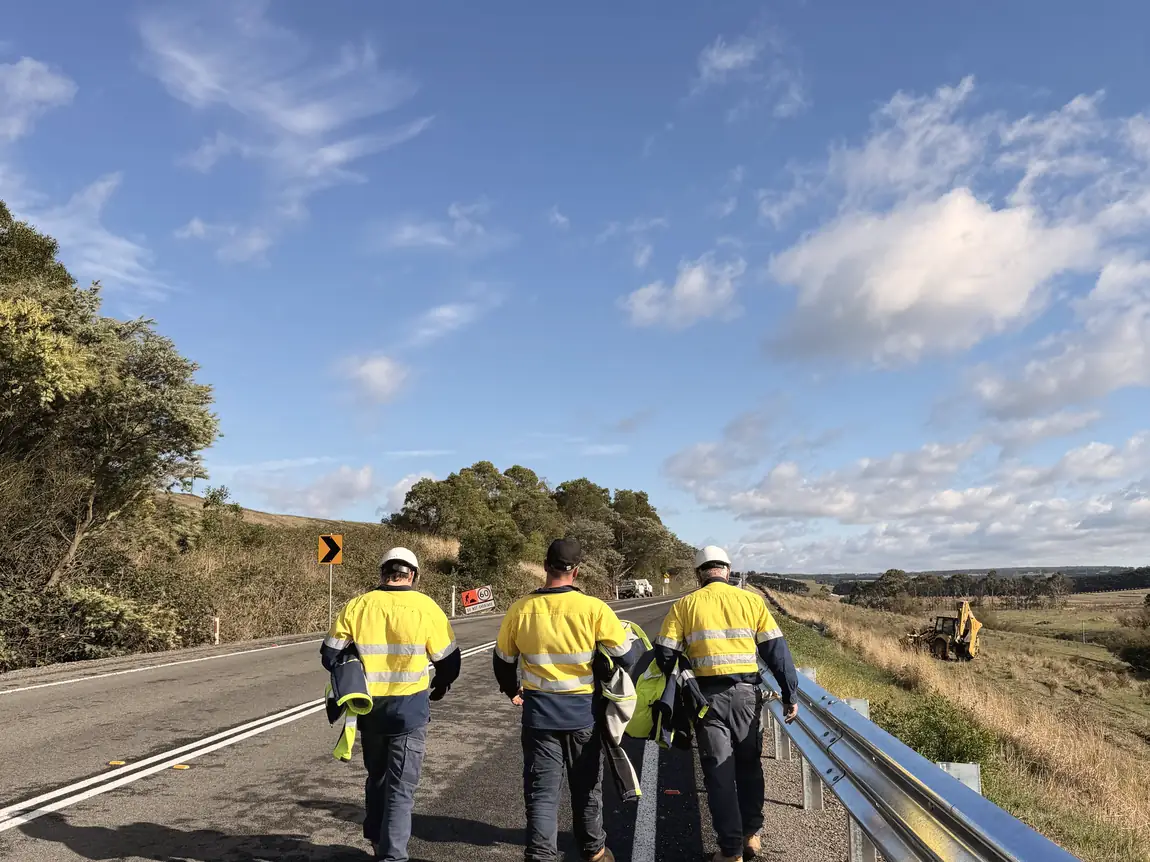
Three workers in hi-vis walking along a country road
Road works.
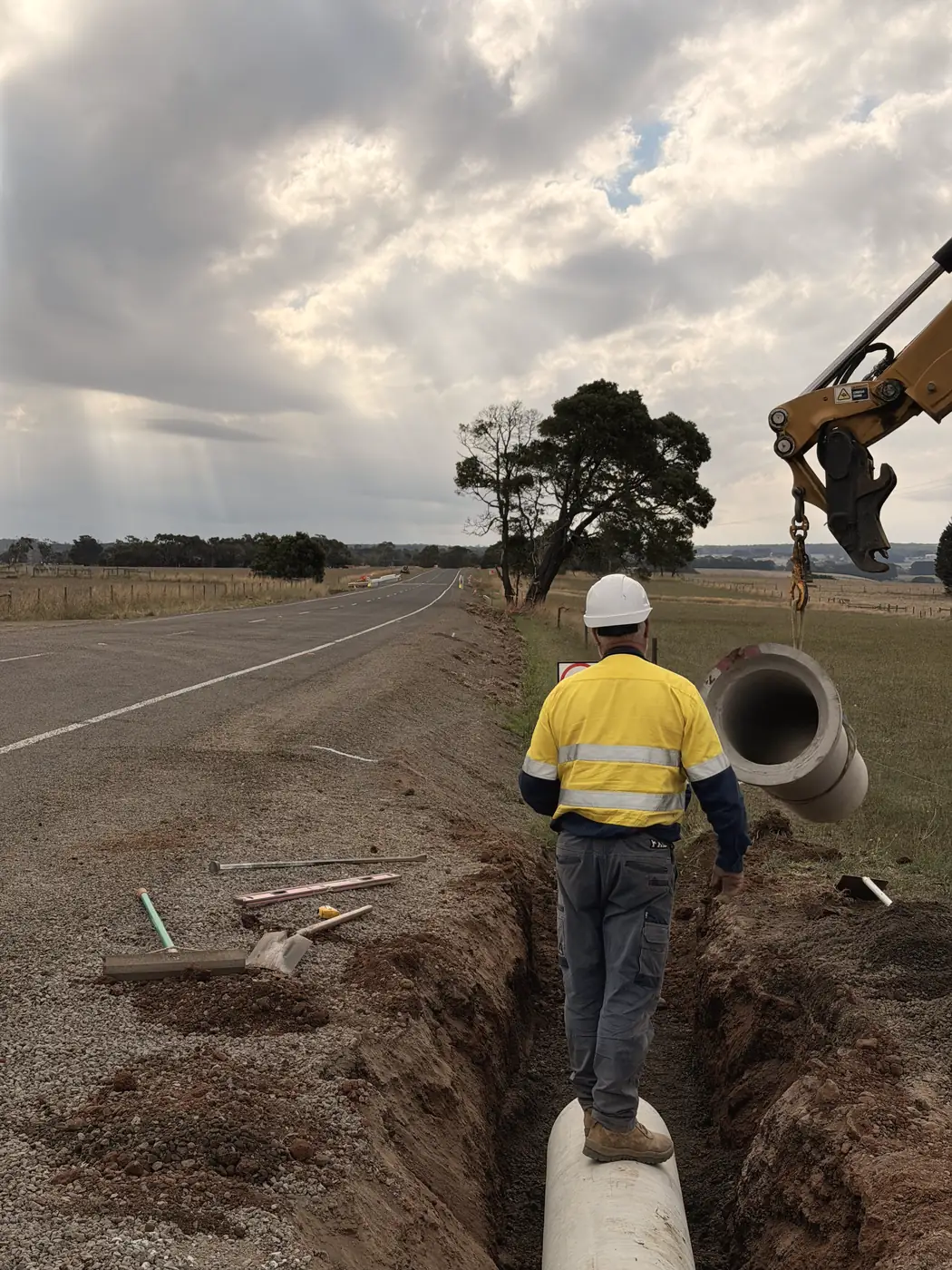
Worker in an open trench beside laid concrete pipes, sunbeams breaking through the clouds
Civil works. Not an office job.
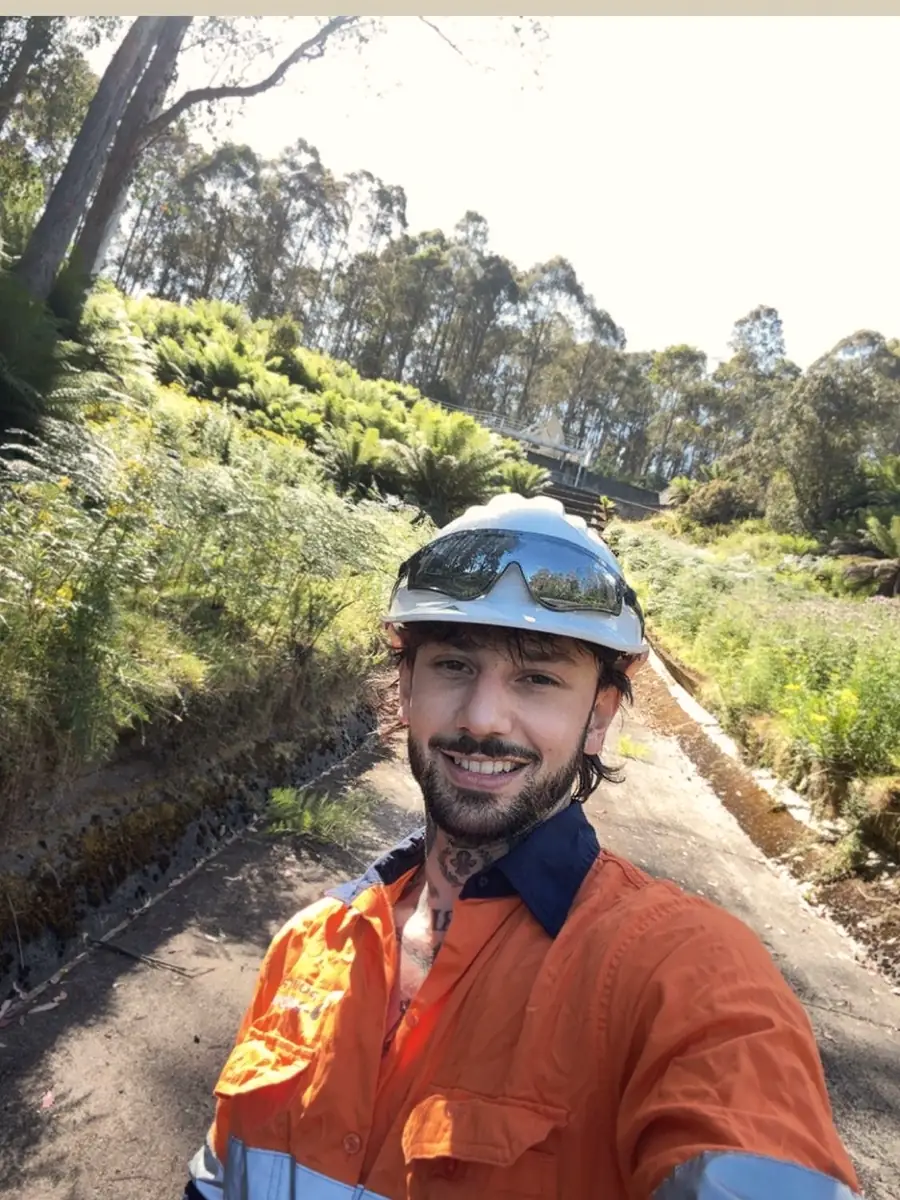
Alessandro in hi-vis on a site track in the bush
Site track in the bush.
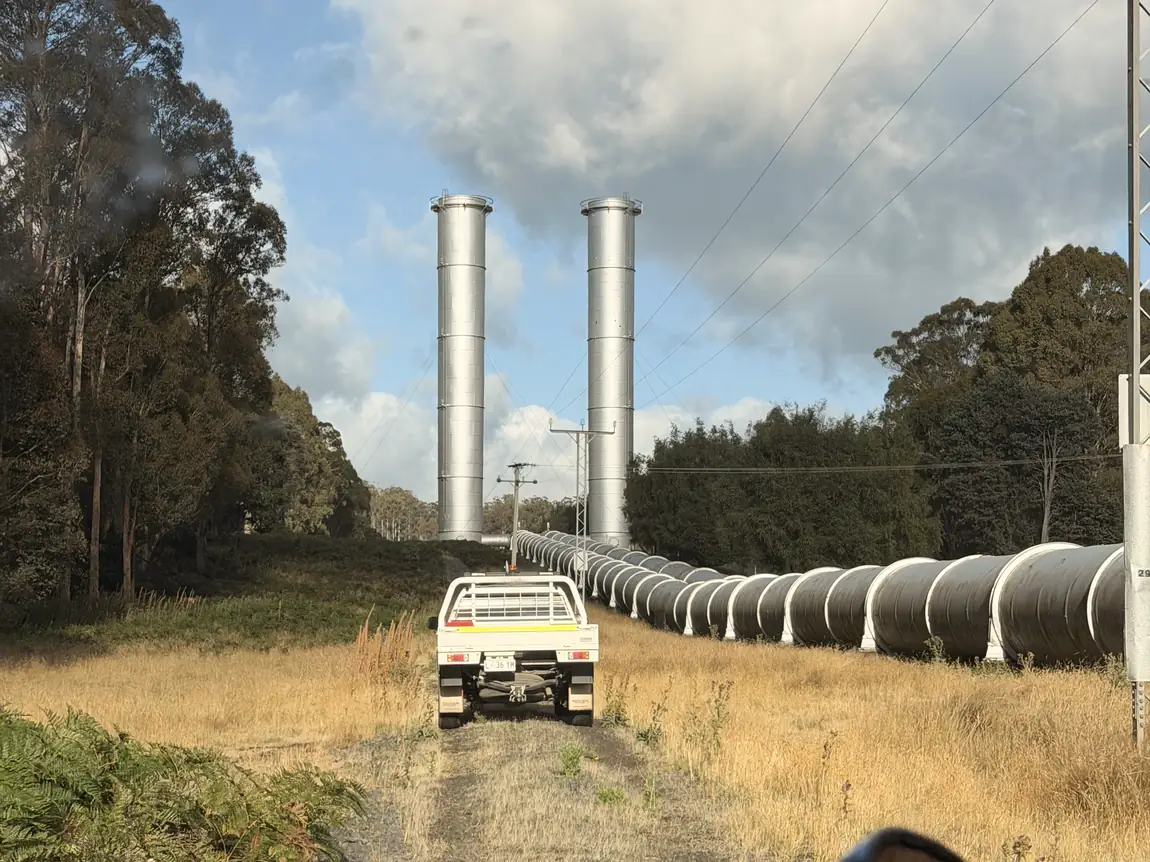
View from a pick-up onto a pipeline along a gravel track
Flown in for the shift.

$60/hr

is what the contract Deniz signed says. He had been quoted 35 to 45 as a starting rate. That’s his case, not a promise for yours.

$33/hr

has been the casual minimum including loading since 1 July. On construction sites it’s 35 to 37.

€3,500–4,500

is what you should genuinely bring for the first few weeks.

The most honest objection

“I’ll just ask
ChatGPT.”

Everyone does. Alessandro too. He pieced it all together on his own for two years, with ChatGPT and blokes from the hostel, and came unstuck more than once. The problem isn’t that you can’t find answers. The problem is that you can’t tell which one applies to you until it’s too late.

What you get

  • Answers to single questions
  • Rules that were right two years ago
  • Valid for someone, somewhere
  • Videos that show one good day
  • Ten opinions, five of them wrong
  • Mistakes you only notice once they’re expensive

What you’re missing

  • Someone who’s seen your CV
  • The order to do it in
  • What you can leave out entirely
  • Someone who stops you before it gets expensive
  • Someone who picks up when something goes wrong
  • Someone who was on that site himself last week

What this isn’t.

  • Not a permanent holiday. You will work. Some jobs are brutal, some days are damn long.
  • Not a job vending machine. We open doors where we’ve got them. Walking through is on you.
  • Not a course. No login, no PDF, no modules. Deniz puts it himself: he isn’t selling a mining course.
  • Not migration advice. Only a registered migration agent or a lawyer can advise on your visa application here. We tell you what’s officially required and where it says so. You lodge the application yourself.
  • Not for people who want it all done for them. If you’re expecting someone else to rebuild your life, we’re the wrong people.

Sound like you? Book your free call

What it costs

Our packages.

Three ways in, depending on where you’re at. All paid once: no subscription, no instalments, nothing to pay later. We work out which one fits you in the free first call.

Package 1

Starter

with Alessandro

€500 one-off

For your first time out, when you need to land properly.

  • Six weeks of prep, still from home
  • Checklist from A to Z
  • Tax file number, bank account, insurance and the rest of the paperwork
  • Job guidance for farm work, hospitality, city construction and tree planting
  • The 88 days planned before they catch up with you
  • Three months one to one, community calls, WhatsApp
Ask about Starter

Package 2

Expert

with Marvin or Deniz

€400 one-off

For when you bring a trade and want to get into FIFO.

  • Your application rebuilt for Australia
  • Getting your trade recognised
  • Which tickets are worth it for you and which aren’t
  • FIFO in focus, aiming for the best starting rate that’s realistic for you
  • Contacts where we’ve got them
  • Three months one to one, a weekly live call, WhatsApp
Ask about Expert

Both together

All Inclusive

with all three of us

€750 one-off

€900 you save €150

The whole road, from home to your first FIFO application.

  • Everything in the Starter package
  • Everything in the Expert package
  • One person who knows your case
  • We stay on it until it runs
Ask about All Inclusive

We take 5 to 10 people a month. Not a sales trick: all three of us work full time, we can’t manage more.

A real example

Henry had his first interview invitation 48 hours after starting the Expert package, for a driller offsider role in FIFO.

One case, not a promise for yours. We’ve got the invitation in writing.

What one mistake costs

  • €3,000–4,000Money you’re owed when you leave the country, and that most people partly leave behind because of one small thing they did differently in their first weeks.
  • Up to €2,000Plenty of work tickets, the confined space ticket among them, and part of your prep costs are subsidised here by up to 70%. Almost everyone still pays full price, because they don’t know their state’s rules and get the claim wrong.
  • Your visaThere’s one step a lot of people take while their application is being processed that sinks the whole thing. Fee gone, start again, months lost.
  • Time and earningsA hundred applications without a single reply. Deniz went through that before he worked out why. He could have been earning good money the whole time.
  • €75 a monthInsurance that doesn’t pay when it matters, because it was taken out at the wrong moment. Alessandro’s mistake.

Any one of these costs you more than the whole thing.

Common questions

What we get asked most.

Does my trade qualification count over here?

Not automatically. There’s a recognition process, and it often decides whether you start here as a labourer or in your trade. The catch is the evidence: some of it you can only get while you’re still at home. Which parts you need depends on your trade. Deniz never got his recognised and calls it one of his most expensive mistakes. Marvin is a qualified industrial mechanic and went through the process before he got into FIFO.

Which tickets do I actually need?

Fewer than providers want to sell you, and often different ones than you think. White Card, Working at Heights, Confined Space, Forklift, EWP and a dozen more will get offered to you. You’ll need a handful of them. Which ones depends on what you trained in and where you want to start, and the order matters for how fast you get into work. Marvin paid for courses early on that he thought would open doors. Today he would do a few things differently. We go through your list before you pay for the first one.

How good does my English have to be?

It doesn’t have to be perfect. You need to get by on the job and, above all, understand safety instructions: toolbox meetings, pre-starts, radio. The words for tools and gear come on their own, because you hear them every day. What really wears you out at the start is the accent, and that usually settles faster than people expect. Understanding, asking and being able to say what’s going on counts for more here than clean grammar.

How long is the visa taking right now?

It varies a lot. Some get the grant after two weeks, others wait more than five. Home Affairs says itself that application numbers are unusually high at the moment, and publishes the current processing times there. One thing from experience: don’t book the flight until the written grant is in your inbox.

417 or 462? What’s the difference?

They’re two different visas with different requirements, and which one is open to you at all depends on your passport, not on your preference. It’s not the same for German and Austrian passports. What officially applies is on the Home Affairs site, and only a registered migration agent can advise you on it. What we can tell you is what the difference means for planning your work.

Do I really need my own car?

Usually not at the start. In Melbourne, Sydney or Perth you get by without one, and a car costs money constantly. As soon as you work regionally or head for a farm, that flips. Whether it’s worth it for you depends on where you start. There’s also one thing about your licence you’re better off sorting before you fly.

Can I just bring my European CV?

Better not. An Australian resume is built differently. Recruiters want to see within seconds which experience, skills and tickets match that exact role. What looks tidy back home often gets filtered out here before a person ever reads it. For getting into FIFO, this makes the biggest difference of the lot. We rebuild yours with you.

Do I apply from home or once I’m there?

Both go wrong if you go about them wrong. From home, most applications get no reply. On the ground, you lose weeks if your documents aren’t right. Deniz had both: first a hundred applications with no response, then offers without looking. We build the same order with you.

Perth, Melbourne or Sydney?

We get this almost daily, and the honest answer is: it depends on what you can do. The cities differ in pay, in cost of living and, above all, in who is hiring right now. We decide it with you by the job market, not by what looks best on Instagram.

Can I get into mining with no experience?

You don’t need a trade qualification for it, Deniz is clear on that. Everyone working in mining today had a first day at some point. Without Australian mining experience the way in is harder, but trade or technical experience is a real advantage. What you need are the right tickets and an application that actually gets read. And honestly: for a lot of people the mine isn’t the best route, only the best known one. We tell you on the call what would actually do more in your case, instead of letting you fire off a hundred applications into the void.

How hard is FIFO really?

FIFO isn’t a holiday with a good wage attached. Twelve-hour shifts over days or weeks take it out of you, plus heat, dust, physical work and a few flying hours between you and everyone you know. In camp you usually get your own room, meals are provided, and there’s often a gym and laundry. It’s no resort, but it’s better than most people picture. The advantage is in the roster: Marvin works two weeks straight, then has two weeks completely off, most of which he spends in Thailand. You don’t work less, you just spread it out completely differently. Which is why the bigger question isn’t how to get into FIFO, but whether that rhythm suits you.

What will I realistically earn?

Since July the casual minimum has been over $33 an hour, on construction sites 35 to 37. There’s room above that: Deniz signed for $60 although he had been quoted 35 to 45. FIFO goes higher, but nobody starts on six figures. What’s possible for you depends on your trade, your tickets, the roster and the company. So we care less about getting you into FIFO somehow, and more about which role is realistic with your background and where it goes from there. Without the pay promises off social media.

How much money do I really need?

The visa requires evidence of A$5,000, roughly €3,100. Realistically you want €3,500 to €4,500 for accommodation, tickets and a buffer in the first few weeks. How fast you earn that back comes down mostly to how long you wait for the first job. That’s exactly where we come in.

I’m over 30. Is that still possible?

Yes, and that’s new. On a German passport the Working Holiday visa now runs to 35 rather than stopping at 30. What counts is your age on the day you lodge. If you have a birthday while it’s being processed, that doesn’t matter. The other way round it does: one day late and the application isn’t processed at all.

And the 88 days for the second visa?

You don’t have to sit them out on some miserable farm. There are alternatives that pay properly and often include accommodation. When you do them affects how relaxed your second and third year are. We plan in where it pays off for you.

Why pay when the group is free?

You don’t have to. The group and the fortnightly calls stay free, that isn’t changing. But what you get there are general answers for over two hundred people. What nobody there does: look at your CV, stop you before it gets expensive, and pick up the phone when something goes wrong over here. Anyone who wants to get it right from the start takes the support. Everyone else just stays in the group.

The next step

Tell us
where you’re at.

Half an hour on Google Meet, free. We look at your CV and tell you what counts over here, what you can skip and what your next step is. After that you’ll know whether your plan holds up. If you don’t need us, we’ll say so. We’ve got 5 to 10 spots a month, we can’t manage more alongside work.

How old are you?
Which package are you after?
When do you want to go?

The button opens WhatsApp with your message already written. You send it yourself. Free, no obligation, no subscription, no credit card. We come back to you with two times. We only use your details for this call. Privacy

Rather skip the form? WhatsApp: +49 1516 1519092

Free first call